Zinc is an essential micronutrient for plant growth, yet zinc deficiency remains a widespread nutritional challenge in agricultural production. Even when soils contain zinc, its availability to plants can be limited by high soil pH, calcareous conditions, high phosphorus levels, and other soil factors.
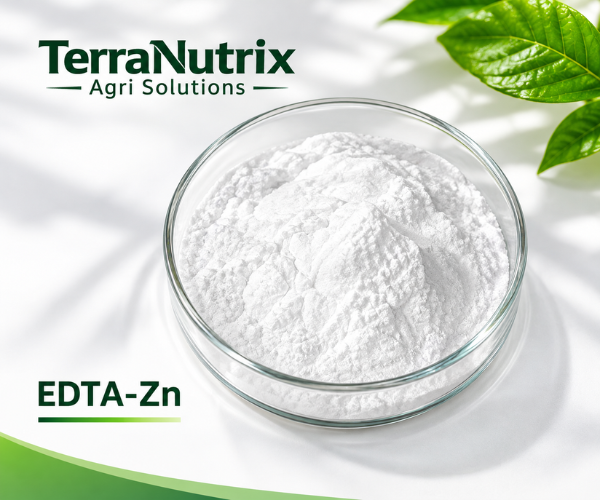
Zinc EDTA, also known as EDTA Chelated Zinc or EDTA-Zn, is a widely used chelated micronutrient ingredient in specialty fertilizer manufacturing.
It provides zinc in a water-soluble, chelated form suitable for many liquid fertilizers, water-soluble fertilizer blends, foliar nutrition products, and micronutrient formulations.
For fertilizer manufacturers and agricultural distributors, understanding Zinc EDTA’s properties, applications, and limitations is essential when selecting a reliable zinc ingredient.
1. What Is Zinc EDTA?
Zinc EDTA is a chelated zinc compound formed when zinc ions are bound to ethylenediaminetetraacetic acid (EDTA), a chelating agent widely used in agricultural and industrial formulations.
EDTA helps maintain zinc in soluble form by reducing certain precipitation reactions that can occur with unchelated zinc ions.
In agricultural applications, Zinc EDTA is commonly available as a white crystalline or powdered material.
One widely used commercial grade is EDTA-Zn 15%, generally containing approximately 15% zinc by weight.
Key Characteristics
Chelated Zinc Source: Zinc is complexed with EDTA to help maintain solubility under suitable conditions.
Water-Soluble: Suitable for many water-soluble fertilizer and liquid micronutrient formulations.
Concentrated Zinc Content: Common agricultural grades contain approximately 14–15% zinc, depending on specification.
Formulation Versatility: Can be evaluated in foliar fertilizers, liquid products, and micronutrient blends.
pH-Dependent Performance: Zinc EDTA can offer advantages in certain formulation environments, although stability and agronomic performance depend on pH and competing ions.
Zinc EDTA is primarily used as a zinc nutrition ingredient rather than a general soil amendment.
2. Why Is Zinc Important for Plant Growth?
Zinc plays an important role in plant metabolism, enzyme activity, protein synthesis, and growth regulation.
It is involved in numerous enzyme systems and contributes to normal plant development.
Zinc is also associated with processes involved in auxin metabolism, which influences plant growth and development.
Common Symptoms of Zinc Deficiency
Zinc deficiency symptoms vary depending on crop species, but may include:
Reduced leaf size
Shortened internodes
Stunted plant growth
Interveinal chlorosis
Abnormal leaf development
Reduced crop productivity
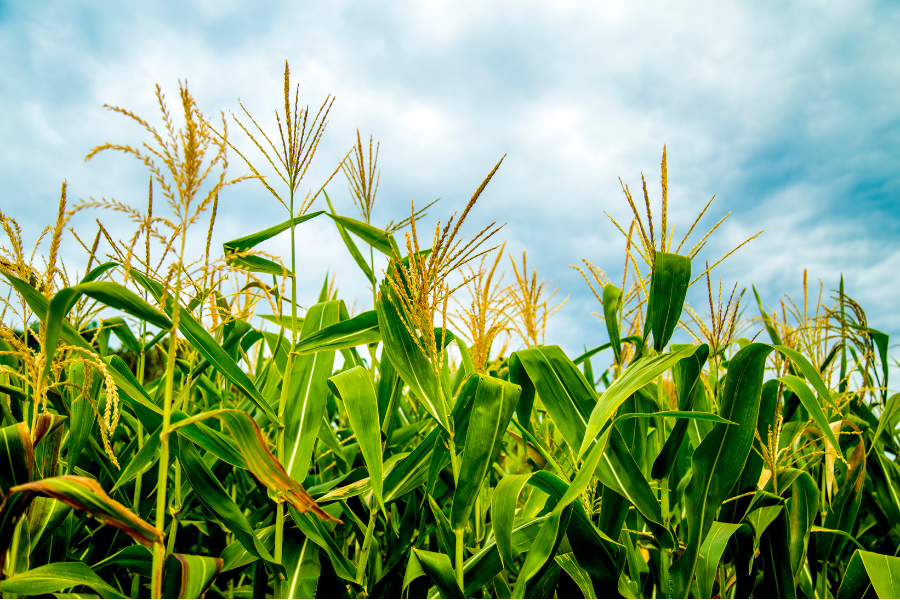
In crops such as corn, zinc deficiency may produce pale or whitish bands on younger leaves.
In some fruit crops, zinc deficiency may result in small leaves and shortened shoot growth.
However, visual symptoms alone are not sufficient for accurate diagnosis. Soil testing, plant tissue analysis, and field conditions should be considered before recommending zinc supplementation.
3. How Does Zinc EDTA Work?
The primary function of EDTA is to bind zinc ions and help maintain them in a soluble form.
Without chelation, dissolved zinc may react with phosphates, carbonates, hydroxides, and other substances, potentially forming less soluble compounds.
By forming a zinc-EDTA complex, the chelating agent can reduce certain precipitation reactions and improve the handling of zinc in compatible fertilizer formulations.
Practical Benefits
Improved Zinc Solubility
Zinc EDTA provides a water-soluble zinc source suitable for many agricultural formulations.
Reduced Precipitation Risk
Chelation can help reduce certain unwanted reactions involving zinc, although it does not guarantee compatibility with every fertilizer ingredient.
Formulation Flexibility
Zinc EDTA can be incorporated into compatible liquid fertilizers, water-soluble powders, and micronutrient blends.
Micronutrient Delivery
The chelated zinc can contribute to plant zinc nutrition when used in appropriately formulated and applied products.
The effectiveness of Zinc EDTA depends on application method, growing conditions, product quality, and the complete fertilizer formulation.
4. Zinc EDTA Solubility and pH Considerations
One of the main reasons fertilizer manufacturers select Zinc EDTA is its water solubility.
Agricultural-grade Zinc EDTA is commonly supplied as a water-soluble powder or crystalline material.
However, water solubility and chelate stability are not the same thing.
A material may dissolve readily in water but behave differently after being mixed with concentrated fertilizer salts or applied to soil.
Factors Affecting Zinc EDTA Performance
Solution pH
pH influences metal chelation, competing reactions, and the behavior of zinc in fertilizer solutions.
Water Hardness
Calcium, magnesium, and other dissolved ions may influence the chemical environment of the formulation.
Phosphate Concentration
Phosphate-containing fertilizers can create compatibility challenges for certain micronutrient sources.
Concentration
A formulation that remains stable at low concentration may behave differently in a concentrated stock solution.
Storage Conditions
Temperature, pH changes, and prolonged storage can affect finished-product stability.
For manufacturers developing liquid zinc fertilizers, laboratory compatibility and storage stability testing are recommended before commercial production.
Is Zinc EDTA Suitable for Alkaline Soils?
Zinc EDTA may be considered for zinc nutrition in certain alkaline growing conditions, but its performance should not be assumed to be universally superior to other zinc sources.
High soil pH, calcium carbonate, soil adsorption, application placement, and competing ions can influence zinc availability.
Chelation may help maintain zinc in solution under suitable conditions, but field performance depends on the complete agronomic environment.
5. Zinc EDTA vs. Zinc Sulfate: What’s the Difference?
Zinc EDTA and zinc sulfate are two commonly used zinc sources in fertilizer manufacturing.
Both can supply zinc, but their chemical properties and formulation characteristics differ.
| Parameter | Zinc EDTA | Zinc Sulfate |
|---|---|---|
| Zinc Form | Chelated Zinc | Inorganic Zinc Salt |
| Common Zn Content | Approx. 14–15% | Depends on Hydration Grade |
| Water-Soluble Grades | Available | Available |
| Chelating Agent | EDTA | None |
| Formulation Compatibility | Often advantageous in suitable formulations | May require additional compatibility management |
| Typical Applications | Liquid, foliar, water-soluble blends | Soil, foliar, fertilizer blends |
| Relative Raw Material Cost | Generally Higher | Generally Lower |
Actual performance depends on formulation, application conditions, product grade, and delivered zinc concentration.
When to Choose Zinc EDTA
Zinc EDTA may be preferable when:
Developing concentrated micronutrient formulations
Formulating compatible liquid fertilizers
Producing water-soluble micronutrient blends
Requiring a chelated zinc source
Seeking improved control of certain zinc precipitation reactions
When to Choose Zinc Sulfate
Zinc sulfate may be appropriate when:
Raw material cost is a major consideration
The formulation does not require chelated zinc
The application program uses a conventional inorganic zinc source
Soil application and economic zinc delivery are the primary objectives
The most suitable zinc source is not necessarily the one with the highest zinc percentage or lowest price per kilogram. It is the source that meets the formulation and application requirements at an acceptable delivered cost.
6. Applications of Zinc EDTA in Fertilizer Manufacturing
Zinc EDTA is used in several specialty fertilizer segments.
Water-Soluble Fertilizers
Zinc EDTA can be incorporated into compatible water-soluble fertilizer formulations, including micronutrient blends and selected NPK-based products.
Manufacturers should verify dissolution behavior and compatibility at the intended concentration.
Liquid Micronutrient Fertilizers
EDTA-Zn can serve as a zinc ingredient in liquid micronutrient products.
Important formulation parameters include pH, zinc concentration, other dissolved salts, and storage stability.
Foliar Nutrition Products
Zinc EDTA is used in foliar fertilizer formulations intended to supply zinc through leaf application.
Foliar effectiveness depends on crop species, application concentration, spray conditions, and formulation properties.
Fertigation Systems
Zinc EDTA can be evaluated for fertigation programs where water quality, nutrient solution chemistry, and crop requirements are appropriately managed.
Micronutrient Premixes
Zinc EDTA can be combined with compatible chelated micronutrients, such as:
EDTA-Fe
EDTA-Mn
EDTA-Cu
These ingredients are commonly considered in multi-micronutrient fertilizer formulations.
7. Zinc EDTA 15%: What Should Buyers Check?
For fertilizer manufacturers, Zinc EDTA purchasing decisions should involve more than comparing price quotations.
Several technical parameters are particularly important.
Zinc Content
Confirm the guaranteed zinc concentration.
For example, EDTA-Zn 15% is a common commercial grade, but actual specifications vary between suppliers.
Chelated Zinc Content
Verify whether the declared zinc content represents total zinc, chelated zinc, or both.
A product containing 15% total zinc does not automatically guarantee that all zinc is chelated.
Water Solubility
Confirm dissolution performance under the intended formulation conditions.
If the ingredient will be used in concentrated liquid fertilizers, test solubility at the planned production concentration.
pH and Formulation Compatibility
Review the product’s pH characteristics and evaluate compatibility with other ingredients.
Impurities and Heavy Metals
Request relevant analytical documentation, especially for products intended for regulated agricultural markets.
Packaging and Supply Reliability
Confirm packaging, minimum order quantity, batch consistency, delivery terms, and available documentation.
For international buyers, a reliable supplier should be able to provide appropriate technical and commercial information before shipment.
8. Common Questions About Zinc EDTA
Is Zinc EDTA water soluble?
Yes. Agricultural-grade Zinc EDTA is commonly available in water-soluble forms. Actual dissolution performance depends on grade, concentration, water quality, and formulation conditions.
What is Zinc EDTA 15%?
Zinc EDTA 15% is a commercial designation for an EDTA-chelated zinc ingredient containing approximately 15% zinc by weight. Buyers should confirm guaranteed total and chelated zinc contents in the supplier’s specifications.
Is Zinc EDTA better than zinc sulfate?
Not necessarily. Zinc EDTA may offer formulation advantages in certain applications, while zinc sulfate can be a more economical source of zinc in others.
The appropriate choice depends on the intended formulation, application method, and agronomic conditions.
Can Zinc EDTA be mixed with other micronutrients?
Yes, it can be used in compatible micronutrient formulations. However, mixing and storage stability should be verified before commercial production.
Can Zinc EDTA be used in foliar fertilizers?
Yes. Zinc EDTA is used as a zinc source in foliar fertilizer formulations, subject to appropriate concentration, compatibility, and crop safety evaluation.
9. Sourcing Zinc EDTA for Fertilizer Manufacturing
TerraNutrix Agricultural Solutions LLC supports fertilizer manufacturers, agricultural formulators, and international distributors seeking chelated micronutrient ingredients.
Our ingredient portfolio includes EDTA-Zn, EDTA-Fe, EDTA-Mn, EDTA-Cu, and other selected specialty fertilizer raw materials.
We focus on specification-based sourcing, technical documentation, packaging requirements, and international supply coordination.
Whether you are developing a liquid micronutrient fertilizer, a water-soluble fertilizer blend, or a specialized zinc nutrition product, selecting the appropriate zinc ingredient is an important part of formulation development.
Conclusion
Zinc EDTA is an important ingredient in specialty fertilizer manufacturing because of its chelated zinc form, water solubility, and versatility in compatible agricultural formulations.
Its advantages are particularly relevant to manufacturers developing liquid micronutrient fertilizers, foliar nutrition products, and water-soluble fertilizer blends.
However, Zinc EDTA is not automatically the best zinc source for every application.
Fertilizer manufacturers should evaluate zinc content, chelation quality, solubility, compatibility, application conditions, and overall cost before selecting a raw material.
Related Articles: Iron EDTA: Benefits, Solubility, Applications, and How to Choose the Right Chelated Iron
Looking for Zinc EDTA or Other Chelated Micronutrients?
TerraNutrix Agricultural Solutions LLC supports B2B sourcing of chelated micronutrients and specialty fertilizer ingredients.
Contact us with your required zinc content, technical specifications, estimated quantity, packaging requirements, and delivery destination.