Introduction
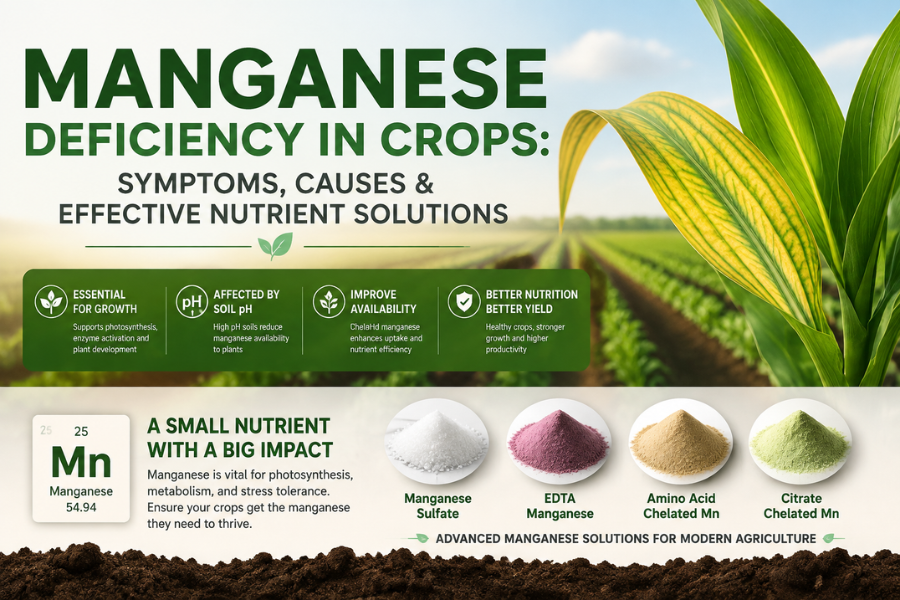
Manganese (Mn) is an essential micronutrient required for healthy plant growth, photosynthesis, enzyme activation, and overall crop development.
Although plants require manganese only in small amounts, insufficient manganese availability can significantly reduce crop performance, especially in soils with high pH, high organic matter, or poor nutrient availability.
Unlike nitrogen, phosphorus, or potassium deficiencies, manganese deficiency is often overlooked because symptoms can resemble other micronutrient problems.
Understanding manganese behavior in soil and selecting the right manganese fertilizer technology are critical for improving nutrient efficiency and crop productivity.
What Does Manganese Do in Plants?
Manganese plays several important roles in plant physiology.
1. Photosynthesis Support
Manganese is essential for the photosynthetic process, particularly the water-splitting reaction in photosystem II.
Adequate manganese helps plants:
- Maintain chlorophyll production
- Improve energy conversion
- Support healthy leaf development
2. Enzyme Activation
Manganese activates many enzymes involved in:
- Carbohydrate metabolism
- Protein synthesis
- Plant defense mechanisms
Without sufficient manganese, plant growth and metabolic activity can be reduced.
3. Disease Resistance
Proper manganese nutrition contributes to stronger plant defense systems and can improve crop tolerance against certain environmental stresses.
Common Symptoms of Manganese Deficiency
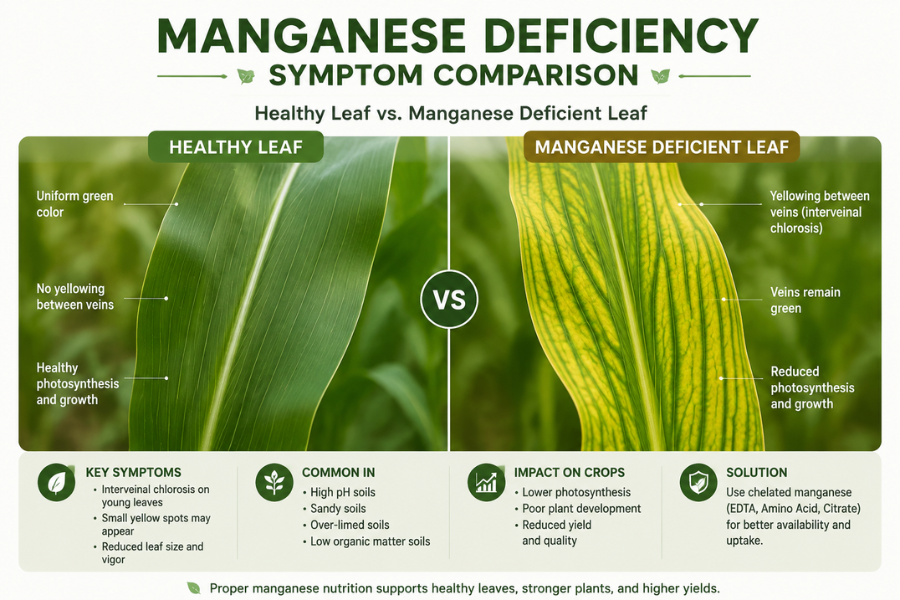
Manganese deficiency symptoms usually appear first on younger leaves.
Common signs include:
Interveinal Chlorosis
The area between leaf veins becomes pale green or yellow while veins remain greener.
Reduced Photosynthesis
Affected leaves have reduced photosynthetic efficiency, limiting crop growth.
Poor Plant Development
Plants may show:
- Slow growth
- Reduced biomass
- Lower yield potential
Why Does Manganese Deficiency Occur?
Manganese availability depends strongly on soil conditions.
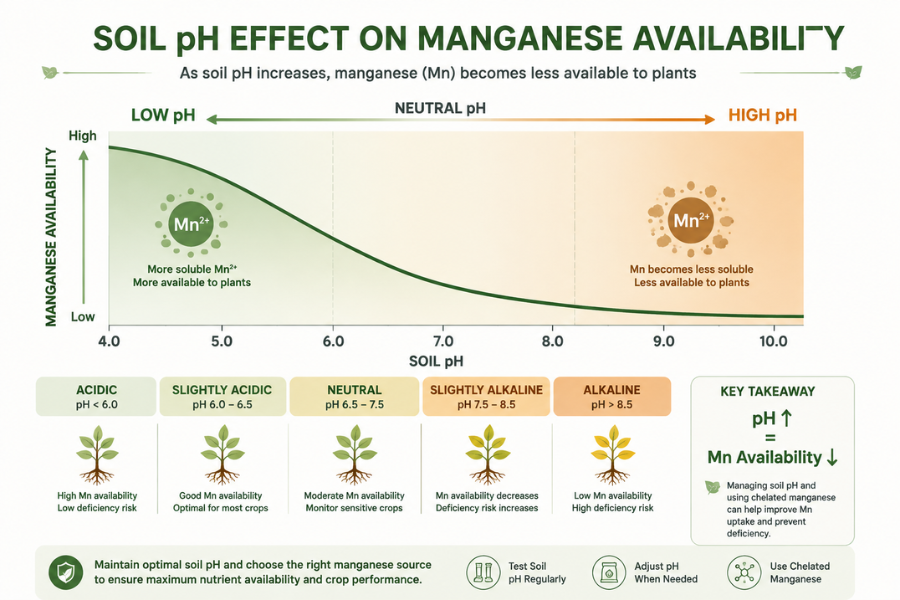
1. High Soil pH
High pH soils are one of the most common causes of manganese deficiency.
When soil pH increases:
- Manganese becomes less soluble
- Available Mn²⁺ levels decrease
- Plant uptake becomes limited
This is especially common in:
- Calcareous soils
- Arid regions
- Irrigated agricultural areas
2. Excessive Liming
Applying large amounts of lime can increase soil pH and reduce manganese availability.
Although lime improves certain soil conditions, excessive application may create micronutrient imbalances.
3. High Organic Matter and Soil Conditions
Organic matter can bind manganese and reduce immediate availability under certain conditions.
Poor soil aeration and waterlogged conditions may also affect manganese behavior.
4. Soil Type
Manganese deficiency is often observed in:
- Sandy soils
- Highly weathered soils
- Low organic matter soils
Crops Sensitive to Manganese Deficiency
Many economically important crops require adequate manganese nutrition.
Common manganese-responsive crops include:
Cereals
- Wheat
- Barley
- Oats
Legumes
- Soybean
- Peas
- Beans
Vegetables
- Potato
- Cabbage
- Onion
Fruit Crops
- Citrus
- Grapes
- Tree fruits
Choosing the Right Manganese Fertilizer Solution
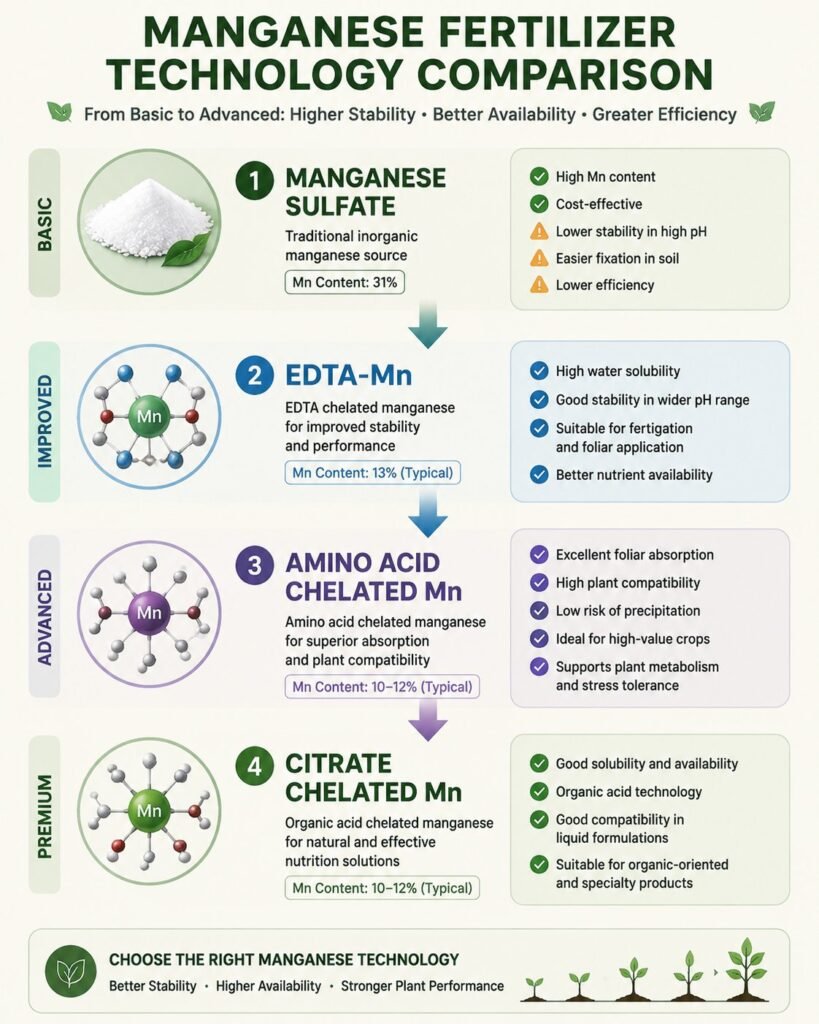
Different manganese fertilizer technologies provide different advantages depending on application requirements.
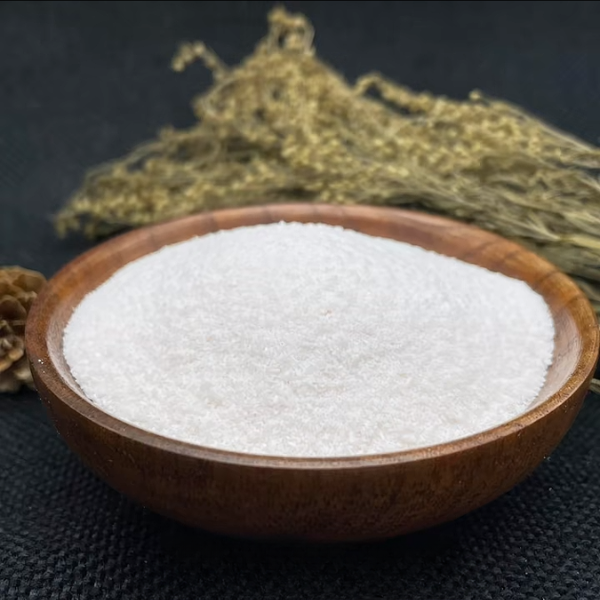
1. Manganese Sulfate
Manganese sulfate is one of the traditional manganese fertilizer sources.
Advantages:
- High manganese content
- Cost-effective
Limitations:
- Lower stability in alkaline soils
- Potential fixation issues
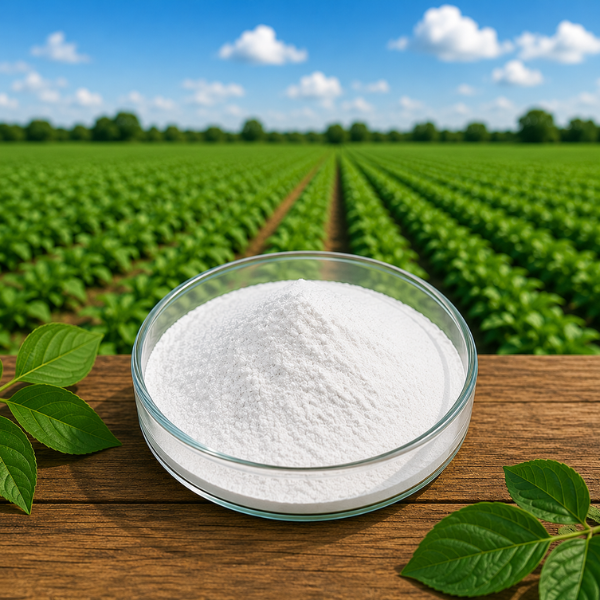
2. EDTA Chelated Manganese
EDTA-Mn provides improved stability compared with inorganic manganese salts.
Advantages:
✔ High water solubility
✔ Good compatibility in liquid fertilizers
✔ Suitable for fertigation and foliar applications
Common applications:
- Greenhouse crops
- Hydroponics
- Foliar nutrition
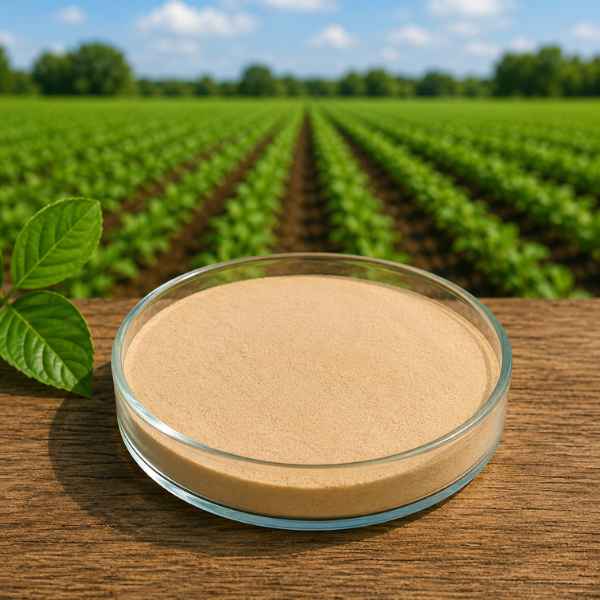
3. Amino Acid Chelated Manganese
Amino acid manganese complexes combine manganese with amino acids.
Advantages:
✔ Excellent foliar absorption
✔ Good plant compatibility
✔ Premium crop nutrition positioning
Common applications:
- Specialty fertilizers
- Biostimulant products
- High-value crops
4. Citrate Chelated Manganese
Citrate-based manganese provides an organic acid-based approach.
Advantages:
✔ Natural organic acid technology
✔ Good solubility
✔ Suitable for specialty nutrient formulations
Applications:
- Liquid fertilizers
- Foliar products
- Organic-oriented formulations
Manganese Fertilizer Selection Guide
| Application | Recommended Manganese Source |
|---|---|
| Soil correction | Manganese sulfate |
| Greenhouse production | EDTA-Mn |
| Foliar application | Amino Acid Chelated Mn |
| Premium specialty fertilizers | Amino Acid / Citrate Mn |
| High compatibility liquid fertilizers | EDTA-Mn |
The Role of Chelated Manganese in Modern Agriculture
As growers demand more efficient nutrient solutions, chelated manganese fertilizers are becoming increasingly important.
Compared with traditional manganese salts, chelated manganese products help improve:
- Nutrient stability
- Application efficiency
- Compatibility with other fertilizer components
- Crop nutrient management
For fertilizer manufacturers, selecting the right manganese ingredient technology allows development of products for different markets and crop requirements.
Conclusion
Manganese is a small but essential nutrient that plays a major role in plant growth, photosynthesis, and crop performance.
Because manganese availability is strongly affected by soil conditions, especially high pH environments, choosing the right fertilizer technology is critical.
From traditional manganese sources to advanced chelated manganese ingredients, modern crop nutrition programs provide multiple solutions for improving manganese availability.
TerraNutrix supplies a range of micronutrient ingredients, including chelated manganese solutions, designed for fertilizer manufacturers and OEM partners developing advanced crop nutrition products.